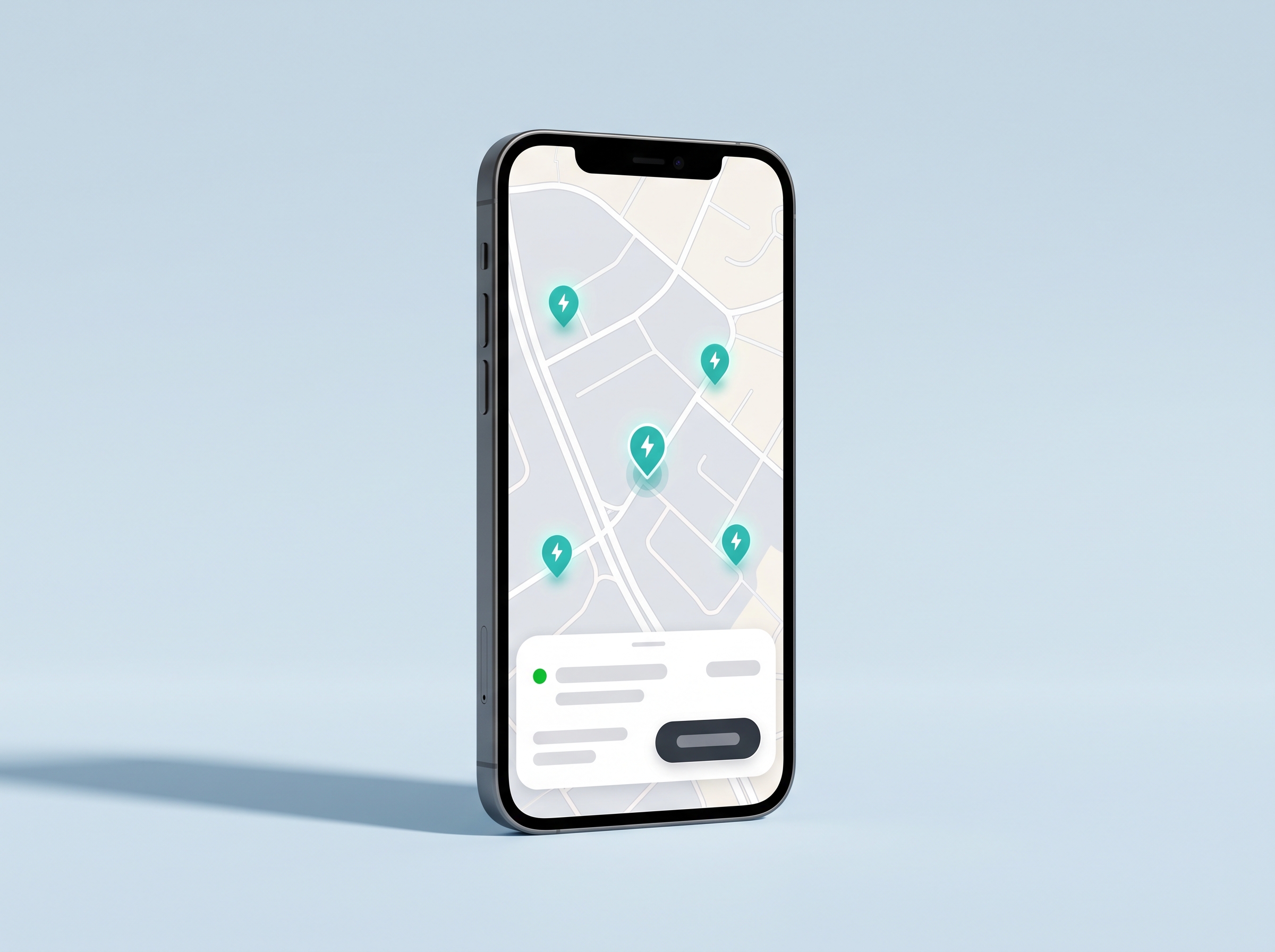
Web app · 2020
Fieldnote
Helping research teams turn notes into decisions.
As a senior product designer at Fieldnote, I redesigned how teams collect and make sense of interview notes, helping the research tool grow from 6,000 to 40,000 teams.
- Client
- Fieldnote
- Role
- Senior product designer
- Timeline
- 2 years
- Year
- 2020
Results
- teams using Fieldnote, up from 6,000
- 40,000
- less time from interviews to findings
- 45%
- more teams still active after three months
- +22%
Fieldnote helps product teams collect interview notes, tag them and turn them into findings. When I joined as a senior product designer in 2018, it was a well-loved tool used by about 6,000 teams, most of them researchers who were happy to spend an afternoon organising sticky notes.
The challenge
To grow, Fieldnote needed to work for everyone else on a product team: the designers, product managers and engineers who sat in on interviews but rarely took part in the analysis. For them, the step from raw notes to a clear finding took far too long.
What we learned
We watched teams work through their research in real sessions. The slowest part wasn't writing notes. It was the hours spent moving them around: grouping, regrouping and rewriting the same insight three times.
The approach
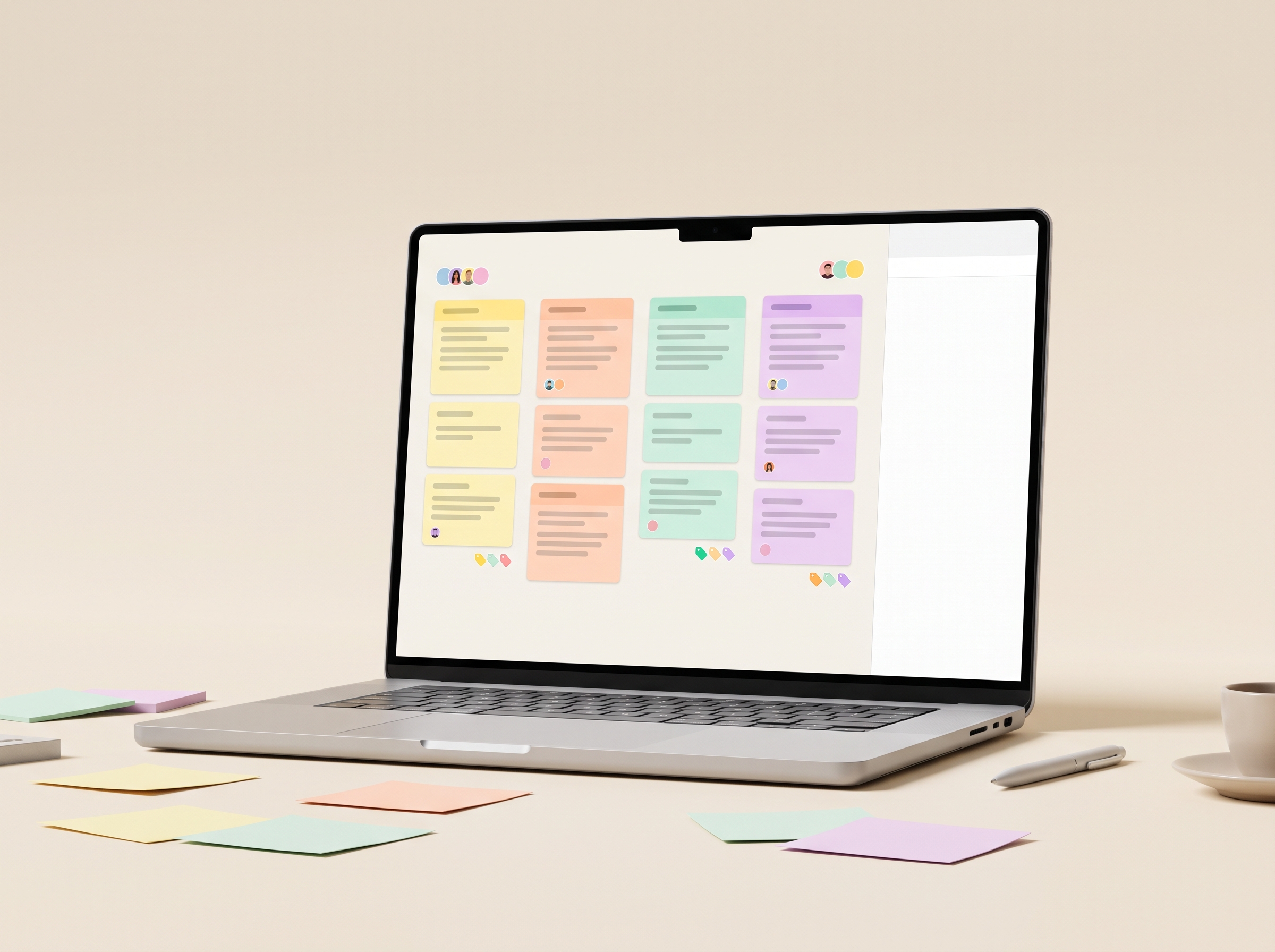
We redesigned the board so notes cluster as you tag them, with suggested groups the team can accept or ignore. Highlights from a video call land on the board automatically, and any group can be turned into a shareable finding with its evidence attached. Live cursors and comments made the analysis something the whole team could do together, rather than a job for one person on a Friday afternoon.
The outcome
Over the next two years Fieldnote grew from 6,000 to 40,000 teams. Teams using the new board spent 45% less time getting from interviews to findings, and far more of them were still active after three months.